
For a high-volume manufacturing business, packaging film is more than another production material. Every roll contributes to the cost of packaging, production efficiency, machine performance and the final cost of delivering a product.
When unnecessary film is consumed through excessive thickness, breakage, trimming, rejected packs or poor machine performance, the cost can accumulate quickly. This is particularly important for food manufacturers, FMCG companies, dairy businesses, packaging converters, logistics companies and industrial manufacturers in India that purchase packaging films in bulk.
The objective should not simply be to buy the cheapest film per kilogram.
What Is Packaging Film Waste?
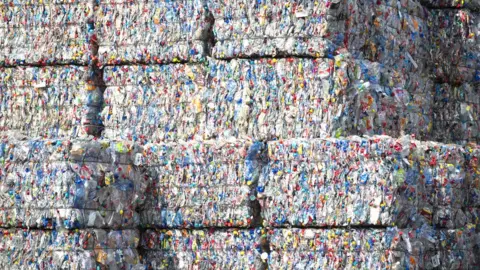
Packaging film waste is material that is purchased or consumed but does not become part of an acceptable finished package or required application. Waste can occur at different stages:
- Film manufacturing
- Slitting & Roll preparation
- Machine setup & Changeovers
- Film feeding, Sealing & Cutting
- Packaging & Handling
- Product rejection
For example, if a production line consumes 1,000 kg of film but a significant portion is lost through trimming, breakage, machine adjustments and rejected packaging, the actual material efficiency is lower than the purchase quantity suggests. This is why B2B manufacturers should measure actual usable output, not simply film purchased.
What Is Packaging Film Yield?
Packaging film yield is a way of evaluating how efficiently a given quantity of film is converted into usable packaging material or acceptable production output.
In simple terms: Better yield = more usable packaging output from the material consumed.
However, film yield should not be judged only by thickness. A proper evaluation may include: Film thickness, Thickness consistency, Film width, Roll weight, Roll length, Material structure, Mechanical strength, Seal performance, Machine compatibility, Film breakage, Trim waste, and Rejected packaging.
This is why a lower-priced film does not automatically provide the lowest overall packaging cost.
9 Ways to Reduce Packaging Film Waste
1. Select the Right Film Thickness
Film thickness directly affects material consumption. A thicker film generally uses more material for the same packaging area. However, reducing thickness without validating performance can create additional problems like film breakage, punctures, poor sealing, leakage, higher rejection, and machine instability.
The goal should not be to use the lowest micron possible; it should be to identify the appropriate thickness for the application. Super Polymers supplies a diverse packaging film product range for different applications, including LDPE/stretch films, shrink films, milk and water pouch films, nitrogen flush films and surface printed films.
2. Improve Film Thickness Consistency
A film can have the correct nominal micron specification and still create problems if thickness varies significantly. Thickness consistency can influence strength, sealing, machine performance, and rejection rates.
For B2B buyers, ask suppliers about: Nominal thickness + tolerance + quality-control process + batch consistency. For a manufacturer purchasing film repeatedly, consistency between batches can be just as important as the initial sample.
3. Match the Film to the Application
There is no universal packaging film that is suitable for every product. Start with the application.
- For dairy packaging: Important considerations may include seal strength, leak resistance, and roll uniformity. Super Polymers' milk and water pouch film is positioned for dairy and beverage applications.
- For snacks and dry foods: The film needs appropriate barrier performance. Explore nitrogen flush film for FMCG applications requiring oxygen and moisture protection.
- For FMCG bundling: shrink film solutions may be more appropriate where heat-shrinkable packaging is required.
4. Reduce Film Breakage During Production
Film breakage creates material loss, machine downtime, and operator intervention. If film is breaking repeatedly, investigate the film specification, machine speed, film tension, product dimensions, roll configuration, and sealing conditions to find the root cause.
5. Optimise Film Width and Roll Configuration
If a roll is wider than the packaging requirement, unnecessary material becomes edge trim. B2B buyers should evaluate film width, roll length, weight, core size, and winding configuration.
6. Reduce Packaging Rejection
A film that looks cheaper on a quotation can become expensive if it creates a high rejection rate. Track: Film consumed → packages produced → accepted packages → rejected packages. This provides a much more useful picture of packaging efficiency.
7. Standardise Your Packaging Film Specification
One of the easiest ways to improve procurement consistency is to maintain a clear internal film specification:
| Parameter | Requirement |
|---|---|
| Film type | LDPE / LLDPE / Multilayer |
| Thickness | Required micron |
| Thickness tolerance | Defined range |
| Width | Required width |
| Roll weight / length | Required specification |
| Printing | Plain / surface printed films |
| Sealing & Mechanics | Application requirement |
| Machine details | Packaging line specifications |
8. Measure Film Waste at the Production Level
Track film usage during machine setup, changeovers, production, trimming, and packaging rejection. A monthly production report reveals patterns invisible on purchase invoices alone.
9. Choose a Manufacturer That Supports Your Specs
Before selecting a manufacturer, evaluate their manufacturing capability, quality control, customisation, bulk production capacity, and technical coordination.
Packaging Film Waste Reduction in Raipur and Across India
For manufacturers operating in Raipur, Chhattisgarh and Central India, local manufacturing can also be relevant when evaluating recurring film supply. A B2B buyer should evaluate manufacturing capability, film consistency, required specification, bulk quantity, delivery requirements, repeat-order capability and technical support.
How Should B2B Buyers Calculate Film Efficiency?
Measure film against usable production output, not only kilograms purchased. Record: Total film received, total film used, accepted output, rejected output, film waste, breakage incidents and machine downtime.
